

AMLI Council – 2026
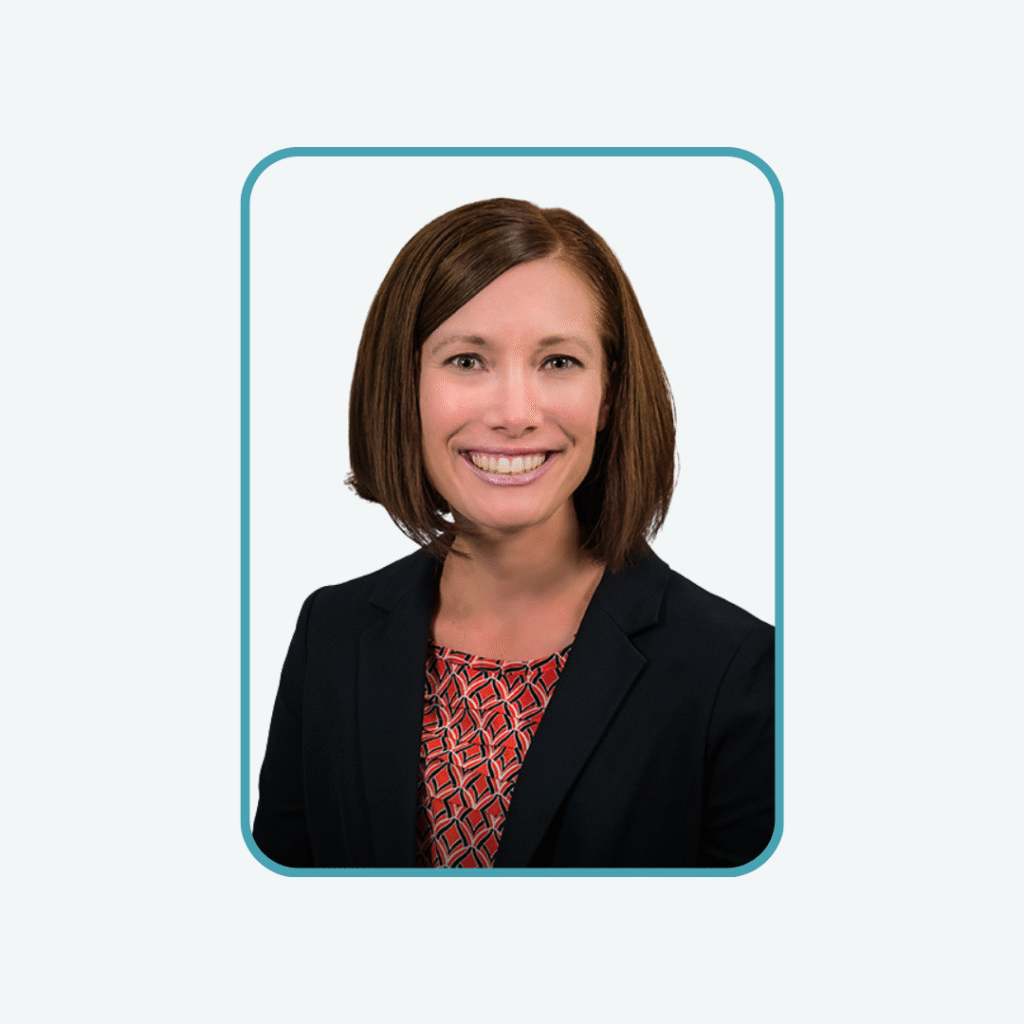
Dr. Peterson’s research focus includes both clinical and translational aspects of autoimmune immunology and cellular immunology. The Immunology Laboratory at ARUP Laboratories performs a variety of tests for the evaluation and management of autoimmune and immune deficiency diseases which cuts across many disciplines such as Rheumatology, Neurology, Gastroenterology, Immunology and Hepatology to name a few. In the area of clinical and diagnostic immunology, her main interest is in assay evaluation, development, and standardization. Her group is specifically interested in developing and evaluating state-of-the-art assays to diagnose, predict and/or monitor diverse autoimmune diseases and immune deficiency diseases. She also has a keen interest in the role of neural antibodies in the evaluation and pathogenesis of autoimmune paraneoplastic neurologic syndromes and autoimmune encephalitis.
Dr. Peterson has served on several committees for the Association of Medical Laboratory Immunologists (AMLI) and has organized and chaired multiple sessions at their annual meetings focused on identifying and addressing gaps in education, training, interpretation, reporting and standardization of autoantibody testing. She has published over 30 papers and written several book chapters. She is currently an associate editor for Clinical Biochemistry and for the Immunology section of LabQ. She has also served as a guest editor of a special edition on Autoimmune Diagnostics for the Journal of Applied Laboratory Medicine, is on the Editorial Board for the Journal of Immunological Methods and has served as an ad hoc reviewer for a number of clinical and laboratory journals. In addition to AMLI, she has active membership in ADLM and the American Academy of Neurology (AAN).

She trained as a Medical Doctor at the University of Debrecen, Hungary, and started her career as a clinical pathologist. Working in diagnostic labs gave her hands-on practical experience and management skills in diagnostic immunology. She later earned a PhD in Immunology, focusing on antiphospholipid antibodies and antiphospholipid syndrome. In 2008, she became board-certified by the American Board of Medical Laboratory Immunology (ABMLI) and subsequently worked in the ABMLI exam development committee.
Gabriella transitioned into the medical device industry in 2006 to leverage her skills and experiences to improve patients’ lives through developing advanced IVD devices. Her expertise includes product development, regulatory approvals, clinical studies, scientific writing, product risk management, healthcare compliance, and patient safety. She has published over 100 papers and is skilled at connecting science with business strategy to support commercial success. She has also been active in ADLM (formerly AACC) and served as Chair of the Clinical and Diagnostic Immunology Division in 2016-17. She led the AMLI Abstract Review Committee in 2024 and 2025. Gabriella is passionate about improving the practice and advancing awareness and recognition of laboratory immunology and believes that her unique cross-sector training and experience uniquely position her to help drive innovation and success in AMLI.

Dr. Tebo’s research interests include development, evaluation, and validation of assays for the diagnosis and management of autoimmune diseases. she is very interested in understanding factors that drive variability in the performance characteristics of routine and esoteric autoantibody tests which is crucial in optimizing intra- and inter-laboratory correlations for improved patient categorization, management, and safety. Through the Association of Medical Laboratory Immunologists (AMLI), Dr. Tebo has led two workshops aimed at improving the interpretation and reporting of antinuclear antibody (ANA) testing. In 2020, Dr. Tebo collaborated with other AMLI colleagues to initiate a webinar series to promote the organization’s educational mission. She has authored more than 60 peer-reviewed articles and book chapters. She also serves as an ad hoc reviewer for a number clinical and laboratory journals and was on the Editorial Board of the Clinical Vaccine Immunology journal.
Dr. Tebo has served on local, national, and international committees to promote the practice of laboratory medicine with emphasis on diagnostic immunology. She currently serves as an AMLI Liaison on the College of American Pathologists (CAP) Diagnostic Immunology and Flow Cytometry Committee (DIFCC), vice chair of the American Society Clinical Pathology (ASCP) Board of Certification (BOC) for Immunology, member of the American Association of Clinical Chemistry (AACC) Global Laboratory Quality Initiative (GLQI) – Africa Working Group (AWG) and education coordinator of the Health Equity and Access Division (HEAD). In addition to AMLI, she has active membership in AACC and the American College of Rheumatology (ACR).

In 2020, Dr. Nandakumar completed a clinical chemistry fellowship at Mayo Clinic, specializing in Diagnostic Immunology, and became board-certified by the American Board of Clinical Chemistry. She then joined the University of Utah School of Medicine and ARUP Laboratories as an Assistant Professor and Medical Director of Autoimmune and Complement Testing Laboratories within the Immunology Division.
Her research focuses on complement and autoimmune diseases, with an emphasis on improving diagnostics, test accuracy, novel biomarkers, assay standardization, and laboratory stewardship. Dr. Nandakumar has authored over 35 publications and holds leadership roles in professional organizations, including serving as Executive Officer for the Clinical and Diagnostic Immunology Division at ADLM (2021–2024) and currently as supporting officer for the Infection and Immunology Division at the Association for Diagnostics & Laboratory Medicine. She has also served on the education and continuing education committees at the Association of Medical Laboratory Immunologists (AMLI) and is currently the Secretary-elect of AMLI.
Dr. Nandakumar is on the Editorial Board for the Journal of Laboratory and Precision Medicine and has served as an ad hoc reviewer for several clinical and laboratory journals. As an invited speaker at several national scientific and plenary sessions, she shares her expertise in autoimmune and complement disease diagnostics. Passionate about mentoring students, residents, and fellows, Dr. Nandakumar is committed to advancing autoimmune diagnostic testing to improve patient outcomes.

Dr. Maharjan’s academic goals consist of promoting high standard laboratory quality performance, advocating for proper test utilization, and collaborative research interests in immunology and chemistry. She participated in ADLM Asia-Pacific Global Quality Initiative workshops in Ulaanbaatar, Mongolia in August 2023 and in Kathmandu, Nepal in May 2025. Her passion for chemistry and immunology research is highlighted by her involvement in evaluating single tier Lyme ELISA with InBios and workflow project on kappa/lambda with The Binding Site.
An active member of both national and local ADLM sections, she notably served as Chair of the ADLM NY Metro section. During her tenure, she led the section's legal name change from AACC to ADLM NY Metro and significantly increased the Continuing Education (CE) and award opportunities for students and laboratory scientists. With a strong interest in education and social involvement, evidenced by her volunteer work, she is now eager to take on the role of treasurer to gain a deeper understanding of financial organization, particularly in managing expenses and gains.
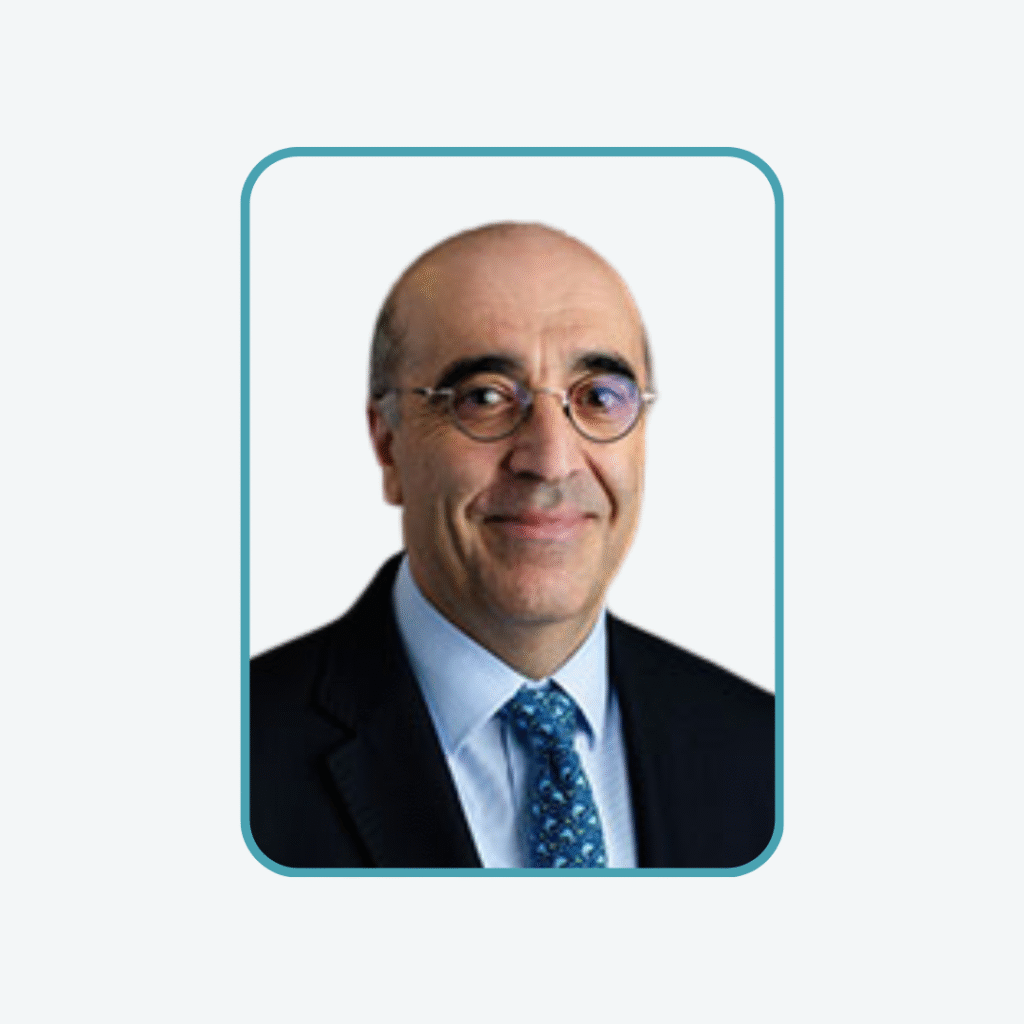
He is currently an Assistant Professor of Laboratory Medicine and Pathology and a Laboratory Section Director at Mayo Clinic. His main interests are in the study of the immune system at the two ends of life, and in developing tests for phenotypic and functional assessment of the system.
As of January 2020, he has been an Associate Editor of the Journal of Immunological Methods, AMLI’s official journal.

Dr. Cornaby is actively involved in several professional societies including the American Society for Clinical Pathologists (ASCP), American Society of Microbiology (ASM), Association of Medical Laboratory Immunologists (AMLI) and American Society for Histocompatibility and Immunogenetics (ASHI) among others. As a result, he enjoys being involved in several committees including the abstract review and nomination committees. He also has the opportunity to review manuscripts for a variety of scientific peer reviewed journals including the Journal of Immunological Methods, Frontiers in Immunology, JAMA Pediatrics, and Human Immunology.
He currently serves as the assistant director of the Histocompatibility and Immunogenetics laboratory as well as the assistant director of the Diagnostic Immunology and Flow Cytometry laboratory in the Department of Pathology and Laboratory Medicine at Children’s Hospital Los Angeles. He is an Assistant Professor of Clinical Pathology at the Keck School of Medicine of USC. His primary areas of research interest include development of new methods to improving clinical laboratory practices, clinical pathology diagnostic test development for inborn errors of immunity, as well as new methods for the assessment and evaluation of Human Leukocyte Antigen (HLA) antibody testing.

Crescent is interested in advocating for rare patient diseases and the capability of academic medical centers and government-funded research to play a critical role alongside the biopharma industry. She also enjoys quality and continuous improvement discussions necessary to clinical lab medicine to sustain our mission. Finding the balance of sustaining a cellular immunology test menu of best benefit to the clinical practices and their patients while maintaining operational feasibility is a long-term interest. Crescent strives to learn leadership best practices from the wonderful mentors and leaders she has worked alongside to become a positive supporter for others to do their best, most satisfying work.
Crescent attended the annual AMLI meeting in August 2022 and presented a poster showcasing a novel dendritic cell and monocyte immunophenotyping test. She enjoyed participating in the close-knit conference of professionals in the field which left her feeling motivated and believes further participation with AMLI would be personally fulfilling, as well as an opportunity to share knowledge across the few similar laboratories for mutual benefit. Crescent believes there is much to gain for allied health staff attendance at national conferences by having the opportunity to mix with scientists and medical professionals while also bringing a unique laboratory management perspective.
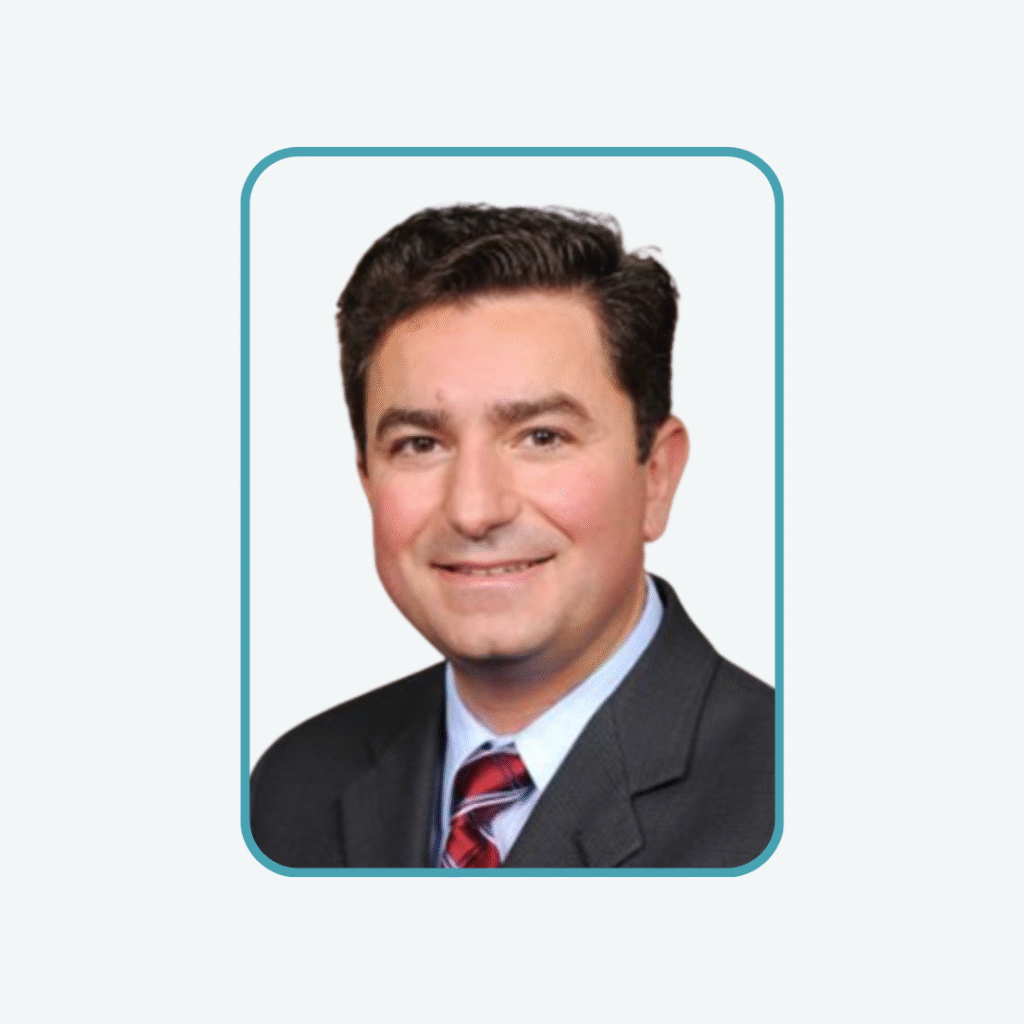
Dr. Ricchiuti obtained his PhD doctoral degree from the Department of Immunology and Molecular Biology at University Louis Pasteur in Strasbourg, France. Then he trained as a Clinical Pathologists in the Laboratory Medicine Department at the University of Minnesota. For more than a decade Dr. Ricchiuti was the Laboratory Director of Clinical Specialty Immunoassays and Clinical Research Laboratories, at the Brigham and Women’s, and Harvard Medical School, Boston, MA and then spent several years at University of Cincinnati Ohio in the Department of Laboratory Medicine as director of Clinical Chemistry, Immunology, Serology and Toxicology.
Dr. Ricchiuti is actively involved in several professional associations: Association for Diagnostics and Laboratory Medicine (ADLM formerly AACC, founder and past-chair of Clinical Translational Division)), American Association of Bioanalysts (AAB) in which he is board certified as TS/HCLD, co-founder of Disruptive Award Technology Competition), Association of Medical Laboratory Immunologists (AMLI) and American College of Rheumatology (ACR).
He is passionate about/dedicated to the practice of clinical laboratory immunology and is looking for additional opportunities to contribute to both AMLI and the field of laboratory immunology.